
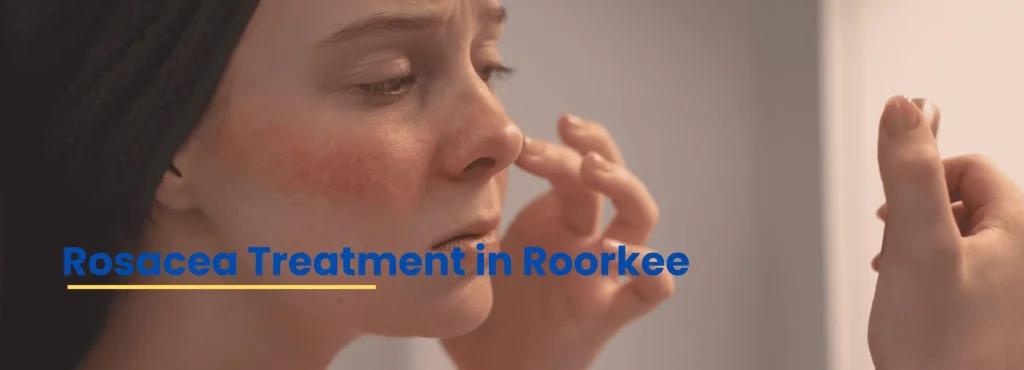
Have you ever noticed redness on your cheeks or nose that just won’t go away? Do people sometimes think you have acne or sunburn even when you don’t? If yes, you might be dealing with a common skin condition called rosacea. Many people search for rosacea treatment in Roorkee when they notice constant facial redness or bumps that look like acne. Getting the right rosacea treatment in Roorkee early can help control the condition and prevent it from getting worse. If you are struggling with redness, irritation, or acne-like bumps, finding the right rosacea treatment in Roorkee can make a big difference in your skin health.
Rosacea is a long-term skin condition that mostly affects the face. It can cause redness, visible blood vessels, bumps, and skin sensitivity. While rosacea is not dangerous, it can make people feel uncomfortable or less confident about their appearance. The good news is that with the right care and guidance from a dermatologist, rosacea can be managed effectively.
What Is Rosacea?
Rosacea is a chronic skin condition that causes redness and inflammation on the face. It usually appears on the cheeks, nose, forehead, and chin.
Many people first notice rosacea as frequent flushing or redness. Over time, small blood vessels may become visible, and acne-like bumps can appear.
Rosacea often affects adults between the ages of 30 and 50, but it can happen at any age. It is more common in people with sensitive skin.
Without proper care, rosacea may worsen. That is why dermatologists recommend early diagnosis and treatment.
Common Symptoms of Rosacea
Rosacea symptoms can vary from person to person. Some people experience mild redness, while others may notice bumps or skin irritation.
Here are the most common signs:
Persistent Facial Redness
This is the most common sign of rosacea. The cheeks, nose, forehead, or chin may stay red for a long time and may look like a constant blush or sunburn.
Visible Blood Vessels
Small blood vessels under the skin may become enlarged and visible. These thin red lines often appear on the cheeks and nose.
Acne-Like Bumps
Some people develop red bumps or pus-filled spots that look similar to acne. Unlike acne, rosacea usually does not cause blackheads.
Burning or Stinging Sensation
The skin may feel warm, irritated, or sensitive. Some people experience a mild burning or stinging feeling on the affected areas.
Dry and Sensitive Skin
Rosacea often makes the skin dry and very sensitive. The skin may react easily to skincare products, weather changes, or sunlight.
Eye Irritation (Ocular Rosacea)
In some cases, rosacea can affect the eyes. This may cause redness, dryness, watery eyes, or a feeling like something is stuck in the eye.
What Causes Rosacea?
The exact cause of rosacea is not fully known, but several factors can trigger this skin condition. Dermatologists believe that genetics, skin sensitivity, and environmental triggers may play an important role.
Genetic Factors
Rosacea can run in families. If someone in your family has rosacea, you may have a higher chance of developing it.
Immune System Response
Sometimes the immune system reacts strongly to certain bacteria or environmental factors. This can cause inflammation and redness on the skin.
Sensitive Blood Vessels
People with rosacea often have blood vessels that expand easily. This leads to frequent flushing and redness on the face.
Environmental Triggers
Factors like sun exposure, spicy food, alcohol, stress, and hot weather can trigger rosacea flare-ups and worsen symptoms.
Common Rosacea Triggers You Should Avoid
Many things can cause rosacea symptoms to worsen. Identifying your triggers can help reduce flare-ups.
Sun Exposure
Too much sunlight can trigger rosacea flare-ups and increase redness on the face.
Daily use of sunscreen helps protect sensitive skin and prevent irritation.
Spicy Foods
Spicy foods can increase blood flow to the face, causing flushing and redness.
People with rosacea may notice symptoms worsen after eating spicy meals.
Hot Beverages
Very hot drinks like tea or coffee can dilate blood vessels in the face.
This may lead to temporary redness or flushing.
Alcohol
Alcohol can cause blood vessels to expand, which may trigger rosacea symptoms.
Frequent alcohol intake may increase redness and flare-ups.
Stress
Emotional stress can affect the body’s hormones and increase inflammation.
This may trigger rosacea flare-ups and worsen skin redness.
Very Hot or Cold Weather
Extreme temperatures can irritate sensitive skin and worsen rosacea.
Both heat and cold wind can trigger redness and skin discomfort.
Harsh Skincare Products
Strong cleansers, scrubs, or alcohol-based products can irritate rosacea-prone skin.
Using gentle, fragrance-free skincare products is safer for sensitive skin.
Avoiding these triggers can help control redness and inflammation.
How a Dermatologist Diagnoses Rosacea
Rosacea is usually diagnosed through a clinical skin examination.
A dermatologist will:
- Examine the Skin Closely
The dermatologist carefully checks the affected areas of the face to look for redness, visible blood vessels, or bumps that are common signs of rosacea. - Ask About Your Symptoms
The doctor asks about your skin problems, such as redness, burning sensation, or flushing, to better understand your condition. - Identify Possible Triggers
The dermatologist may ask about lifestyle habits like diet, stress, weather exposure, or skincare products that could trigger rosacea flare-ups. - Rule Out Other Skin Conditions
Since rosacea can look similar to acne or eczema, the doctor ensures that the symptoms are not caused by another skin condition.
Because rosacea symptoms can look similar to other conditions, professional diagnosis is important.
Rosacea Treatment Options
There is no single cure for rosacea, but many treatments can help manage the symptoms.
Topical Medications
Dermatologists may prescribe creams or gels that are applied directly to the skin. These medicines help reduce redness, inflammation, and acne-like bumps. Regular use can help control rosacea symptoms and calm irritated skin.
Oral Medicines
In moderate or severe rosacea cases, doctors may recommend oral medications such as antibiotics. These medicines help reduce inflammation and control skin flare-ups. They are usually used for a short period under medical supervision.
Laser Treatment
Laser therapy is used to reduce visible blood vessels and long-lasting redness on the face. The laser targets enlarged blood vessels under the skin without damaging surrounding tissue. This treatment can improve skin appearance over time.
Lifestyle Changes
Avoiding common triggers like spicy food, alcohol, stress, and excessive sun exposure can help manage rosacea. Maintaining a gentle skincare routine and using sunscreen daily is also important. Healthy lifestyle habits can reduce flare-ups and keep skin calm.
People looking for rosacea treatment in Roorkee can benefit from consulting an experienced dermatologist for a personalized treatment plan.
Best Skincare Tips for Rosacea
Taking care of your skin gently is very important if you have rosacea.
Here are some simple skincare tips:
- Use Gentle and Fragrance-Free Cleansers
Mild cleansers help clean the skin without causing irritation. Fragrance-free products are better for rosacea because they reduce the risk of redness and sensitivity. - Avoid Harsh Scrubs and Exfoliants
Strong scrubs can damage the skin barrier and increase irritation. Gentle skincare helps keep rosacea-prone skin calm and protected. - Apply Broad-Spectrum Sunscreen Daily
Sun exposure is a common trigger for rosacea flare-ups. Using sunscreen daily protects the skin from harmful UV rays and prevents redness. - Choose Skincare Products Made for Sensitive Skin
Products designed for sensitive skin are usually free from harsh chemicals. These products help soothe the skin and reduce irritation. - Avoid Alcohol-Based Toners
Alcohol-based toners can dry out the skin and worsen redness. It is better to use hydrating and soothing skincare products. - Keep Your Skincare Routine Simple
Using too many products can irritate rosacea-prone skin. A simple routine with a cleanser, moisturizer, and sunscreen is often the best approach.
Healthy skincare habits can help reduce irritation and prevent flare-ups.
Expert Rosacea Treatment in Roorkee
If you are experiencing persistent facial redness or irritation, it is important to consult a qualified dermatologist.
Dr Tanveer Fatima is considered one of the best dermatologists in Roorkee for rosacea treatment. She provides expert diagnosis and personalized treatment plans for patients dealing with rosacea and other skin conditions.
At Ace Clinic Roorkee, patients receive professional dermatology care, advanced treatment options, and guidance on managing rosacea effectively.
Is There a Permanent Solution for Rosacea?
Rosacea is a long-term skin condition, which means it usually cannot be permanently cured.
However, the good news is that rosacea can be controlled very well with the right treatment and skincare routine.
Many people manage their rosacea successfully by:
- Following Dermatologist-Recommended Treatments
Using medicines or treatments suggested by a dermatologist helps control redness and inflammation. Regular follow-up ensures the treatment works effectively. - Avoiding Triggers
Identifying and avoiding triggers like spicy food, stress, alcohol, or extreme weather can reduce rosacea flare-ups. This helps keep the skin calmer and healthier. - Maintaining a Gentle Skincare Routine
Using mild cleansers, moisturizers, and fragrance-free products helps protect sensitive skin. Gentle skincare prevents irritation and supports skin healing. - Protecting Skin from Sun Exposure
Sunlight is a common trigger for rosacea flare-ups. Applying broad-spectrum sunscreen daily helps protect the skin and reduce redness.
Common Symptoms of Rosacea
Rosacea symptoms can vary from person to person. Some people have mild redness, while others may experience bumps or irritation.
Here are the most common signs:
- Following Dermatologist-Recommended Treatments
Using medicines or treatments suggested by a dermatologist helps control redness and inflammation. Regular follow-up ensures the treatment works effectively. - Avoiding Triggers
Identifying and avoiding triggers like spicy food, stress, alcohol, or extreme weather can reduce rosacea flare-ups. This helps keep the skin calmer and healthier. - Maintaining a Gentle Skincare Routine
Using mild cleansers, moisturizers, and fragrance-free products helps protect sensitive skin. Gentle skincare prevents irritation and supports skin healing. - Protecting Skin from Sun Exposure
Sunlight is a common trigger for rosacea flare-ups. Applying broad-spectrum sunscreen daily helps protect the skin and reduce redness.
With proper care, flare-ups can become much less frequent.
Skin Conditions That Look Similar to Rosacea
Sometimes rosacea can be confused with other skin problems.
Some conditions that may look similar include:
Acne
Acne causes pimples, blackheads, and whiteheads due to clogged pores and excess oil. Rosacea may look similar but usually causes redness and bumps without blackheads.
Seborrheic Dermatitis
This skin condition causes redness, itching, and flaky or greasy scales on the skin. It commonly appears around the nose, eyebrows, and scalp.
Lupus
Lupus is an autoimmune disease that can cause a butterfly-shaped rash across the cheeks and nose. Unlike rosacea, lupus may also affect other parts of the body and overall health.
Allergic Skin Reactions
Allergic reactions occur when the skin reacts to certain products, foods, or environmental factors. They can cause redness, itching, swelling, or rashes on the skin.
Frequently Asked Questions (FAQs)
1. What is the main cause of rosacea?
The exact cause of rosacea is not fully known. However, genetics, sensitive blood vessels, immune system response, and environmental triggers may contribute to it.
2. Is rosacea the same as acne?
No. Rosacea may look similar to acne, but it is a different condition. Rosacea usually causes redness and flushing along with bumps, while acne involves clogged pores and blackheads.
3. Can rosacea go away on its own?
Rosacea usually does not go away completely on its own. However, with proper treatment and lifestyle changes, symptoms can be controlled effectively.
4. Is rosacea dangerous?
Rosacea is not dangerous, but it can worsen over time if untreated. Early treatment can help manage symptoms and prevent complications.
5. When should I see a dermatologist for rosacea?
You should consult a dermatologist if you notice persistent facial redness, acne-like bumps, or burning sensations on your skin.
5. What is the best treatment for rosacea?
The best treatment depends on the severity of the condition. Dermatologists may recommend topical medicines, oral medications, laser treatment, or lifestyle changes.
Conclusion
Rosacea is a common skin condition that causes redness, irritation, and sensitivity on the face. While it can be frustrating, the condition is manageable with the right care and guidance.
Understanding the symptoms, identifying triggers, and following a gentle skincare routine can help reduce flare-ups. Early diagnosis by a dermatologist can make treatment more effective.
If you are experiencing persistent redness or acne-like bumps, seeking professional help is important. Dr Tanveer Fatima, a trusted dermatologist in Roorkee, offers expert care and effective rosacea treatment in Roorkee to help patients achieve healthier and calmer skin.
With the right treatment plan and proper skin care habits, people with rosacea can maintain healthy skin and feel more confident every day.
ACE Clinic
Address: Aim fitness gym, Ace clinic, Dehradun Rd, near Vinay Vishal hospital, Nehru Nagar, Roorkee, Uttarakhand 247667
Phone No: +91-9548732883
Email: [email protected]
Timings: 10:00 AM TO 09:00 PM
Google Map Location Listing: https://maps.app.goo.gl/xC7d3epyAZRNRtRw5