
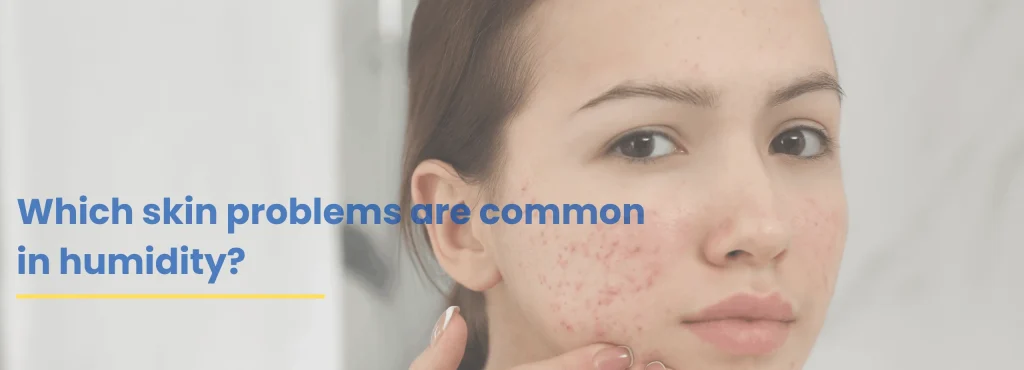
Common Skin Problems in Humid Weather: Causes, Prevention, and Expert Advice
Common Skin Problems in Humid Weather affect people of all ages, especially during the monsoon season and periods of high humidity. Many people notice that their skin becomes oilier, sweat increases, and skin irritation becomes more common. While humidity may seem harmless, it can create the perfect environment for bacteria, fungi, and clogged pores, leading to several skin concerns.
At clinics, it is common to see an increase in patients complaining about itching, rashes, fungal infections, and acne during humid months. Understanding these skin issues and knowing when to seek help can prevent minor problems from becoming serious conditions.
In this blog, we will explore the Common Skin Problems in Humid Weather, their causes, symptoms, prevention tips, and when to consult a skin specialist in Roorkee.
Why Does Humidity Affect the Skin?
Humidity refers to the amount of moisture present in the air. When humidity levels are high, the skin produces more sweat and oil. Excess moisture on the skin can clog pores and encourage the growth of bacteria and fungi.
This is why many people experience Humidity and skin problems during the rainy season and summer months. Areas where sweat collects, such as the face, neck, underarms, and skin folds, are especially vulnerable.
A Common Case Seen During Humid Weather
Consider a common situation seen during monsoon months.
A 24-year-old college student noticed increased oiliness on his face and frequent breakouts. He initially thought it was due to stress and changed several skincare products. However, the acne continued to worsen. During a consultation, it was found that excessive sweating, clogged pores, and improper cleansing were contributing to his condition.
Similarly, another patient experienced persistent itching and redness between the toes after wearing damp shoes during the rainy season. The diagnosis revealed a fungal infection caused by prolonged moisture exposure.
These examples show how Common Skin Problems in Humid Weather often develop from everyday habits combined with environmental conditions.
1. Acne in Humid Weather
One of the most common concerns during humid months is Acne in humid weather.
Why Does It Happen?
High humidity increases oil production. When oil mixes with sweat, dirt, and dead skin cells, pores become blocked. This creates an ideal environment for acne-causing bacteria.
Common Symptoms
- Pimples and breakouts
- Whiteheads and blackheads
- Oily skin
- Red and inflamed bumps
Prevention Tips
- Wash your face twice daily with a gentle cleanser.
- Avoid touching your face frequently.
- Use non-comedogenic skincare products.
- Remove sweat after outdoor activities.
2. Fungal Skin Infections
Skin infections during monsoon are among the most frequently reported skin conditions.
Fungi thrive in warm and moist environments. Sweaty clothing, damp footwear, and poor ventilation increase the risk of infection.
Common Types
- Ringworm
- Athlete’s foot
- Fungal infections in skin folds
- Itchy groin infections
Symptoms
- Circular rashes
- Itching and burning
- Redness
- Peeling skin
Prevention Tips
- Keep skin dry.
- Change wet clothes immediately.
- Wear breathable cotton fabrics.
- Avoid sharing personal items.
3. Heat Rash (Prickly Heat)
Heat rash occurs when sweat becomes trapped under the skin.
Symptoms
- Small red bumps
- Itching
- Burning sensation
- Skin irritation
Children and people who spend long hours outdoors are particularly vulnerable.
Prevention Tips
- Stay in cool environments.
- Wear loose-fitting clothing.
- Take regular showers.
- Avoid excessive sweating when possible.
4. Oily Skin and Enlarged Pores
Humidity causes the sebaceous glands to become more active.
As a result, many people experience:
- Excess oil production
- Shiny skin
- Enlarged pores
- Increased blackheads
While oily skin itself is not harmful, it can contribute to acne and other skin concerns if not managed properly.
Prevention Tips
- Use lightweight moisturizers.
- Choose oil-free sunscreen.
- Cleanse regularly without over-washing.
5. Allergic Skin Reactions
During humid weather, dust, pollen, mold, and pollution can trigger allergic reactions.
Common Symptoms
- Itching
- Red patches
- Swelling
- Dry or irritated skin
People with sensitive skin may notice flare-ups more often during monsoon months.
6. Eczema Flare-Ups
Humidity can sometimes worsen eczema in susceptible individuals.
Sweat may irritate the skin and increase itching, leading to discomfort.
Symptoms
- Dry patches
- Itchy skin
- Redness
- Skin cracking
Proper hydration and medical guidance are important for managing eczema effectively.
How to Protect Your Skin During Humid Weather
Simple lifestyle changes can significantly reduce the risk of developing skin issues.
Follow a Consistent Skincare Routine
Use a mild cleanser, lightweight moisturizer, and sunscreen daily.
Stay Hydrated
Drinking enough water helps maintain healthy skin and supports its natural barrier.
Wear Breathable Clothing
Cotton fabrics allow air circulation and reduce sweat accumulation.
Avoid Staying in Wet Clothes
Damp clothes create ideal conditions for fungal growth.
Use Sunscreen Daily
UV rays remain strong even on cloudy and humid days.
When Should You Visit a Skin Specialist?
Many skin concerns improve with basic care, but some require professional evaluation.
Consult a skin specialist in Roorkee if you experience:
- Persistent acne
- Severe itching
- Recurrent fungal infections
- Unexplained rashes
- Skin allergies that do not improve
- Painful or spreading skin lesions
Early treatment often prevents complications and speeds recovery
Frequently Asked Questions (FAQs)
1. What are the most common skin problems in humid weather?
The most common issues include acne, fungal infections, heat rash, oily skin, allergies, and eczema flare-ups.
2. Why does my skin become oily during humid weather?
High humidity increases oil production, causing the skin to appear shiny and increasing the risk of clogged pores.
3. Are fungal infections more common during monsoon?
Yes. Warm and moist conditions during monsoon create an ideal environment for fungal growth.
4. How can I prevent acne in humid weather?
Use a gentle cleanser, keep your skin clean, avoid heavy products, and remove sweat promptly after outdoor activities.
5. When should I consult a skin specialist in Roorkee?
If skin symptoms persist, worsen, or repeatedly return despite home care, professional consultation is recommended.
Conclusion
Common Skin Problems in Humid Weather can affect anyone, especially during monsoon and high-humidity months. From Acne in humid weather to Skin infections during monsoon, these conditions often develop due to excess sweat, oil production, and moisture buildup. Fortunately, most skin concerns can be prevented through proper hygiene, suitable skincare, and healthy daily habits.
If you notice recurring rashes, fungal infections, persistent acne, or other skin concerns, consulting a qualified skin specialist in Roorkee can help you receive the right diagnosis and treatment. Early care not only improves skin health but also prevents long-term complications, allowing you to enjoy healthy and comfortable skin throughout the humid season.
ACE Clinic
Address: ACE Skin and Hair Clinic, Dehradun Rd, near Vinay Vishal hospital, Nehru Nagar, Roorkee, Uttarakhand 247667
Phone No: +91-9548732883
Email: [email protected]
Timings: 10:00 AM TO 09:00 PM
Google Map Location Listing: https://maps.app.goo.gl/xC7d3epyAZRNRtRw5