

Have you started seeing more hair on your pillow, in your hairbrush, or while washing your hair? You may have changed your shampoo, started using hair oils, or even tried home remedies, but the hair fall still hasn’t stopped. If this sounds familiar, one question may be on your mind: Can vitamin D deficiency cause hair loss?
The answer is yes—it can, but not always in the way most people think.
Many people focus only on hair products when they notice hair fall. However, healthy hair starts from inside your body. If your body is low in important nutrients like vitamin D, your hair may become weak, thin, and shed more than usual. In many cases, people don’t even know they have vitamin D deficiency hair loss until a blood test reveals the problem.
The good news is that if vitamin D deficiency is found early and treated correctly, many people notice healthier hair growth over time. But waiting too long or treating yourself without knowing the real cause may delay recovery.
In this article, you’ll learn how vitamin D and hair loss are connected, who is most at risk, the signs you should never ignore, and when it’s time to visit a hair specialist. Whether you’re a student, a working professional, a new mother, or an older adult, this guide will help you understand your hair better.
A Story That Many People Can Relate To
Riya, a 29-year-old software engineer, had always loved her long, thick hair. But over the last four months, she noticed something had changed.
Every morning, there were strands of hair on her pillow. After every shower, the bathroom drain was full of hair. While tying her ponytail, she felt it had become thinner. Friends told her to change her shampoo. Family members suggested using coconut oil, onion juice, and homemade hair masks.
She tried almost everything.
For a few weeks, she believed the problem was improving. But the hair fall returned, and this time it was worse.
She finally visited a dermatologist. Instead of recommending another hair product, the doctor asked about her daily routine.
- Did she spend enough time in sunlight?
- Was she often tired?
- Did she have body aches?
- Was she working indoors most of the day?
- Had she been skipping meals?
The answers painted a clear picture.
A simple blood test showed that her vitamin D level was much lower than normal.
After starting the right treatment, improving her diet, and following her dermatologist’s advice, the heavy shedding gradually slowed down. New baby hairs began to appear after a few months.
Her story isn’t unique.
Many people experiencing hair loss due to vitamin D deficiency don’t realize that the problem starts inside the body—not on the scalp.
A Real Patient Story: "I Thought They Were Just Pimples"
Let’s understand this with a real-life example commonly seen in dermatology practice.
A 23-year-old working professional visited ACE Skin & Hair Clinic with a simple complaint.
“Doctor, I keep getting pimples. They go away for a few days, but new ones always come back.”
She had already tried several products recommended by friends and social media influencers. She changed her face wash almost every month and even applied toothpaste on active pimples because someone told her it would dry them overnight.
Unfortunately, nothing worked.
During the consultation, Dr. Tanveer Fatima carefully examined her skin instead of focusing only on the visible pimples.
The examination showed several signs that the patient herself had never noticed.
She had tiny clogged pores around the nose, multiple blackheads on the forehead, inflamed red bumps on both cheeks, and early acne marks that had started appearing after old breakouts healed.
Although she believed she had “just pimples,” the diagnosis was mild to moderate acne vulgaris.
Instead of giving random creams, Dr. Tanveer Fatima first identified the reason behind her recurring breakouts.
Her treatment plan included a gentle cleanser suitable for oily skin, a prescription retinoid for night-time use, an oil-free moisturizer, sunscreen, and lifestyle advice to reduce factors that could trigger acne.
Within 8 weeks, her skin showed visible improvement. New breakouts became less frequent, inflammation reduced, and the early acne marks gradually started fading.
The most important lesson from this case wasn’t that one cream solved the problem.
It was that correct diagnosis came before treatment.
Many people spend months treating acne like ordinary pimples. By the time they visit a dermatologist, they may already have acne scars that require more advanced treatment.
Why Vitamin D Matters More Than Most People Think
Most people know vitamin D as the “sunshine vitamin” because our body makes it when our skin is exposed to sunlight.
But vitamin D does much more than keep your bones strong.
It supports your immune system, muscles, nerves, and even your hair follicles.
Think of every hair follicle as a tiny factory that grows a new strand of hair. Like any factory, it needs the right environment to keep working. Vitamin D helps these follicles stay active and healthy.
When your body doesn’t get enough vitamin D for a long time, these hair follicles may slow down. Some stop producing healthy hair for a while, while others enter the resting phase too early. This is one reason why does low vitamin D cause hair loss is such a common question among people experiencing unexpected shedding.
Researchers have also found that vitamin D plays an important role in helping new hair follicles grow and repair themselves. Without enough vitamin D, the natural hair growth cycle may not work as it should.
This doesn’t mean every person with low vitamin D will lose hair. Hair loss is usually caused by several factors working together, such as stress, hormones, genetics, thyroid problems, iron deficiency, poor nutrition, or certain medical conditions. However, vitamin D deficiency can be one of the missing pieces of the puzzle.
How Vitamin D Affects the Hair Growth Cycle
Your hair is always changing, even when you don’t notice it.
Each strand follows a natural cycle with three main stages.
1. Growth Phase
This is the longest stage, where hair grows slowly every day. Healthy hair follicles stay in this phase for several years.
2. Resting Phase
After growing for a long time, the hair follicle takes a short break.
3. Shedding Phase
The old hair falls out so that a new hair can grow from the same follicle.
This cycle keeps repeating throughout your life.
When your body has enough nutrients, the process works smoothly.
But vitamin D deficiency symptoms can affect this balance.
Low vitamin D may cause more hair follicles to enter the resting phase at the same time. As a result, more hair falls out together, making your hair appear thinner.
Many people panic when this happens because the shedding seems sudden.
The important thing to remember is that the hair follicle is often still alive. It simply needs the right conditions to start growing healthy hair again.
Why Are So Many People Low in Vitamin D Today?
Years ago, people spent more time outdoors. Today, our lifestyle has changed.
Many people leave home before sunrise, work inside offices all day, and return after sunset. Even when they go outside, sunscreen, long sleeves, or staying in the shade reduce the amount of vitamin D their body can produce.
This is one reason why low vitamin D symptoms are becoming increasingly common across all age groups.
Some common reasons include:
Spending Very Little Time in Sunlight
Your body makes vitamin D naturally when sunlight touches your skin.
If you stay indoors most of the day, your vitamin D levels may slowly drop over time.
Eating Foods Low in Vitamin D
Very few foods naturally contain vitamin D.
People who avoid dairy, eggs, or fatty fish without replacing them with other vitamin D sources may develop a deficiency.
Digestive Problems
Some medical conditions make it difficult for the body to absorb nutrients properly.
Even if a person eats healthy food, the body may not absorb enough vitamin D.
Obesity
Vitamin D is stored in body fat.
People with obesity may have lower amounts of vitamin D available for the body to use.
Pregnancy and Breastfeeding
During pregnancy and breastfeeding, a woman’s body needs extra nutrients.
Without proper nutrition, vitamin D levels may become low, increasing the chance of hair fall due to vitamin D deficiency after delivery.
Getting Older
As we age, the skin becomes less efficient at producing vitamin D from sunlight.
This is one reason older adults are more likely to develop deficiency.
Certain Medical Conditions
Kidney disease, liver disease, thyroid disorders, autoimmune conditions, and some long-term medicines may also reduce vitamin D levels.
If you already have one of these conditions and notice unusual hair fall, it’s important to speak with a dermatologist instead of assuming the cause.
Signs Your Hair Loss Could Be Linked to Vitamin D Deficiency
Hair fall caused by vitamin D deficiency doesn’t usually happen overnight.
It often develops slowly, making it easy to ignore at first.
Some people notice only a little extra hair in the shower.
Others feel their ponytail becoming thinner over several months.
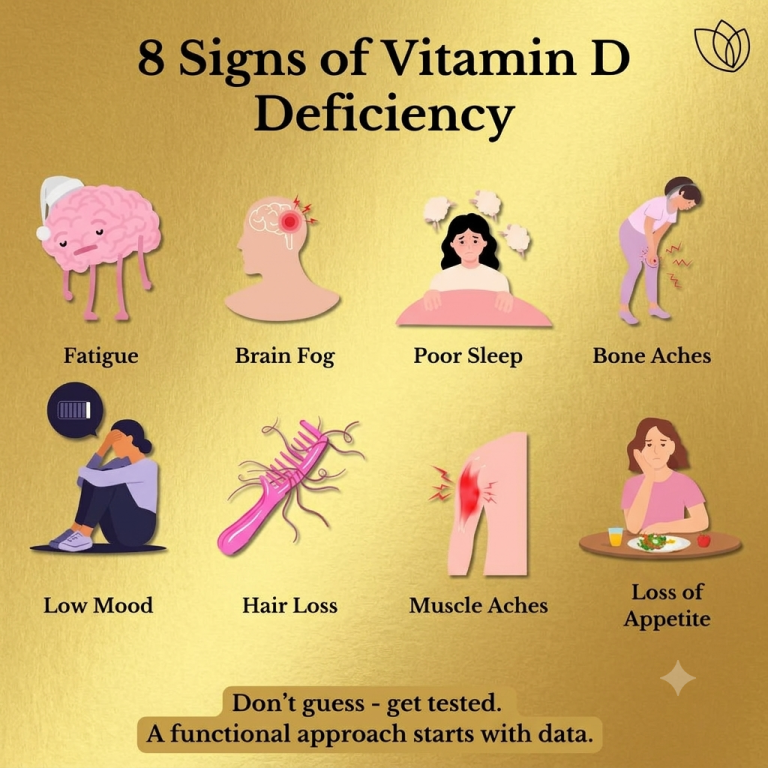
Along with hair fall, many people also experience other signs of vitamin D deficiency, such as:
- Feeling tired even after enough sleep
- Muscle weakness
- Frequent body aches
- Bone or back pain
- Low mood
- Getting sick more often
- Slow wound healing
- Feeling less energetic than usual
These symptoms don’t always mean you have low vitamin D, but when they appear together with ongoing hair loss, they should not be ignored.
Can Hair Loss Look Different in Different People?
Yes—and this is something many people don’t realize.
Not everyone loses hair in the same way.
Some people notice hair coming out from all over the scalp.
Others develop visible thinning around the hairline or the centre parting.
Some experience more hair fall only while washing or combing.
The pattern often depends on age, hormones, genetics, stress levels, overall health, and nutritional status.
This is why self-diagnosis can be misleading.
At ACE Skin & Hair Clinic, Roorkee, Dr. Tanveer Fatima often explains to patients that hair loss is rarely caused by a single factor. A detailed medical history, scalp examination, and, when needed, blood tests help identify whether vitamin D deficiency hair loss is the main reason or whether other conditions are contributing as well.
Treating the underlying cause—not just the symptoms—is the key to achieving healthier, long-lasting hair growth.
How Vitamin D Deficiency Causes Hair Loss in Women
Women often notice hair loss differently compared to men.
Many women do not suddenly lose patches of hair. Instead, they experience overall thinning, where the hair becomes less dense across the scalp. They may notice more hair coming out while washing, brushing, or tying their hair.
A common pattern is called diffuse hair shedding, where hair falls from different areas of the scalp rather than one specific spot.
Vitamin D deficiency may contribute to this type of hair loss because it can affect the normal activity of hair follicles. When the body does not have enough vitamin D, some follicles may enter the resting stage earlier than expected. This can lead to increased shedding after a few months.
Women may experience vitamin D-related hair loss during different stages of life, including:
Hair Loss After Pregnancy
Many new mothers experience heavy hair fall a few months after delivery. This is commonly due to hormonal changes, but low vitamin D levels can make the problem worse.
During pregnancy, the body uses more nutrients to support the baby. If vitamin D levels are already low, the deficiency may continue after childbirth and affect hair health.
A new mother may notice:
- Hair falling in handfuls
- Thinning near the front hairline
- More hair on pillows and clothes
- Reduced hair volume
This condition often improves with proper care, but identifying nutritional deficiencies can help speed up recovery.
Hair Loss Due to Stress and Lifestyle
Many working women today deal with:
- Long working hours
- Poor sleep
- Stress
- Skipping meals
- Limited sunlight exposure
All these factors can affect overall health and may contribute to low vitamin D levels.
A combination of stress and vitamin D deficiency may increase hair shedding and make recovery slower.
How Vitamin D Deficiency Causes Hair Loss in Men
Men often associate hair loss only with genetics, especially male pattern baldness.
While genetics play a major role, vitamin D deficiency can also affect men’s hair health.
Some men notice:
- Increased hair shedding
- Thinning hair density
- Weak and fragile hair strands
- Slower beard or scalp hair growth
Vitamin D receptors are present in hair follicles. When vitamin D levels are low, these follicles may not function properly.
For men who already have genetic hair loss, low vitamin D may not be the only cause, but it can add extra stress to already sensitive hair follicles.
For example, a man in his early 30s may have a family history of baldness. If he also has low vitamin D, high stress, poor nutrition, and irregular sleep, his hair thinning may appear faster.
This is why a complete hair evaluation is important instead of assuming every case is only genetic.
Can Vitamin D Deficiency Cause Hair Loss in Teenagers?
Yes, teenagers can also experience hair loss related to vitamin D deficiency.
Many teenagers spend most of their day indoors due to:
- School and coaching classes
- Online studies
- Excessive screen time
- Less outdoor activity
During teenage years, the body goes through many changes. Poor diet, stress, and nutritional deficiencies can affect hair growth.
Common reasons teenagers may develop vitamin D deficiency include:
- Not getting enough sunlight
- Eating fewer nutrient-rich foods
- Following strict diets
- Lack of physical activity
Parents should not ignore sudden or excessive hair fall in teenagers. While mild shedding can be temporary, ongoing hair loss may need evaluation by a dermatologist.
Vitamin D Deficiency and Hair Loss in Older Adults
As people grow older, hair naturally becomes thinner.
However, excessive hair fall should not always be considered a normal part of ageing.
Older adults are more likely to have vitamin D deficiency because:
- Skin produces less vitamin D with age
- They may spend less time outdoors
- The body may absorb nutrients less efficiently
- Certain medications can affect vitamin levels
Low vitamin D combined with other deficiencies like iron or vitamin B12 can affect hair growth and overall health.
A proper medical evaluation helps identify the real cause.
Types of Hair Loss Linked With Vitamin D Deficiency
Vitamin D deficiency does not create only one type of hair loss. It may be connected with different hair conditions.
Understanding these conditions helps people know when they need professional help.
1. Telogen Effluvium (Sudden Hair Shedding)
This is one of the most common patterns associated with nutritional deficiencies.
In telogen effluvium, a large number of hair follicles enter the resting phase at the same time.
After a few months, these hairs start falling out.
Common triggers include:
- Vitamin D deficiency
- Severe stress
- Fever or illness
- Surgery
- Rapid weight loss
- Poor nutrition
- Hormonal changes
People usually notice:
- Increased hair fall during shampooing
- Hair coming out while combing
- Thinning all over the scalp
The positive thing about telogen effluvium is that it is often reversible once the underlying cause is corrected.
2. Alopecia Areata (Patchy Hair Loss)
Alopecia areata is an autoimmune condition where the body’s immune system mistakenly attacks hair follicles.
Some studies have found a connection between low vitamin D levels and autoimmune hair conditions.
People with alopecia areata may notice:
- Round bald patches
- Sudden hair loss in specific areas
- Eyebrow or beard hair loss
This condition requires proper diagnosis because treatment is different from simple vitamin deficiency-related shedding.
3. Female Pattern Hair Loss
Some women experience gradual thinning, especially around:
- The centre parting
- Crown area
- Top of the scalp
This condition is often linked to genetics and hormones.
Vitamin D deficiency may act as an additional factor that affects hair follicle health.
A dermatologist may check multiple causes before deciding the best treatment plan.
How Do Doctors Check If Vitamin D Deficiency Is Causing Hair Loss?
Many people make the mistake of starting supplements without knowing their actual vitamin D levels.
Hair loss can happen because of many reasons, including:
- Iron deficiency
- Thyroid problems
- Hormonal imbalance
- PCOS
- Stress
- Genetic hair loss
- Scalp infections
- Nutritional deficiencies
A dermatologist may recommend blood tests based on your symptoms.
Common tests may include:
Vitamin D Test
This checks your vitamin D level and helps identify deficiency.
Iron Profile
Low iron stores can also cause excessive hair shedding.
Thyroid Tests
Thyroid imbalance is a common hidden reason behind hair fall.
Vitamin B12 Levels
Vitamin B12 deficiency may affect hair growth and overall energy levels.
Other Tests Based on Symptoms
Women with irregular periods, acne, or facial hair growth may need hormone-related tests.
At ACE Skin & Hair Clinic, Roorkee, Dr. Tanveer Fatima focuses on finding the actual reason behind hair loss instead of treating everyone with the same solution. A detailed scalp examination and medical history help create a treatment plan according to each person’s condition.
How To Stop Hair Loss From Vitamin D Deficiency?
If vitamin D deficiency is confirmed, treatment usually focuses on correcting the deficiency and supporting healthy hair growth.
The approach may include:
1. Correcting Vitamin D Levels
A dermatologist may recommend vitamin D supplements based on your deficiency level.
The dose and duration depend on:
- Current vitamin D level
- Age
- Overall health
- Medical history
Taking high doses without medical advice is not recommended.
2. Improve Your Diet
A balanced diet supports better hair growth.
Foods that may help provide vitamin D and other nutrients include:
- Eggs
- Fatty fish
- Fortified milk
- Mushrooms
- Dairy products
Hair also needs protein, iron, zinc, and other nutrients, so a complete diet matters.
3. Safe Sun Exposure
Sunlight is one of the natural ways your body produces vitamin D.
However, the amount needed depends on factors like:
- Skin type
- Location
- Time of day
- Season
Your dermatologist can guide you based on your individual needs.
4. Treat Other Causes Along With Vitamin D Deficiency
Sometimes vitamin D deficiency is only one part of the problem.
For example:
A person may have low vitamin D + stress + iron deficiency.
Treating only one issue may not completely stop hair fall.
A complete approach usually gives better results.
How Long Does It Take To Regain Hair After Treating Vitamin D Deficiency?
One of the most common questions people ask is:
“If vitamin D deficiency caused my hair loss, how long will it take for my hair to grow back?”
Hair recovery takes time because hair grows slowly.
After correcting vitamin D deficiency:
- Hair shedding may start reducing within 2–3 months
- Noticeable improvement may take around 3–6 months
- Visible regrowth may require 6–12 months, depending on the cause and severity
The timeline varies from person to person.
Factors affecting recovery include:
- How long the deficiency existed
- Age
- Overall health
- Type of hair loss
- Genetics
- Diet
- Stress levels
Many people expect immediate results after taking supplements, but hair follicles need time to return to their normal growth cycle.
When Should You Visit a Hair Specialist for Hair Loss?
Many people wait for months hoping their hair fall will stop on its own. They try different shampoos, oils, and home remedies, but the problem continues.
While some temporary hair shedding can improve naturally, certain signs mean you should consult a hair specialist.
You should consider visiting a dermatologist if:
1. Hair Fall Continues For More Than 3 Months
Losing some hair every day is normal because hair naturally completes its growth cycle.
But if you notice continuous shedding for several months, it may indicate an underlying problem.
Possible reasons may include:
- Vitamin D deficiency
- Iron deficiency
- Hormonal imbalance
- Thyroid problems
- Stress-related hair loss
- Genetic hair loss
- Scalp conditions
Finding the correct cause early can improve your chances of better recovery.
2. You Notice Sudden Heavy Hair Shedding
If you suddenly start losing a large amount of hair while washing or brushing, do not ignore it.
Sudden hair fall may happen after:
- Illness
- High fever
- Major stress
- Weight loss
- Nutritional deficiency
- Hormonal changes
A dermatologist can identify whether it is temporary shedding or a condition that needs treatment.
3. You See Bald Patches or Visible Scalp
Small patches of missing hair, widening part lines, or increased scalp visibility should be evaluated.
These signs may suggest conditions like:
- Alopecia areata
- Female pattern hair loss
- Male pattern baldness
- Other scalp disorders
Early diagnosis often gives better treatment options.
4. Hair Loss Comes With Other Symptoms
If your hair fall is accompanied by:
- Extreme tiredness
- Muscle weakness
- Body pain
- Irregular periods
- Sudden weight changes
- Skin changes
- Low mood
it may indicate a nutritional or hormonal issue.
In such cases, checking your overall health is as important as treating the hair itself.
Can Vitamin D Supplements Alone Stop Hair Loss?
This is one of the biggest questions people ask.
The answer depends on the actual cause of hair loss.
If your hair fall is mainly due to vitamin D deficiency, correcting the deficiency may help improve hair growth.
However, not all hair loss happens because of low vitamin D.
For example:
A person with genetic hair loss may also have low vitamin D. Improving vitamin D levels can support hair health, but it may not completely stop genetic hair thinning.
Similarly, someone with thyroid problems, hormonal imbalance, or scalp infection may need additional treatment.
This is why it is important to understand the complete picture before starting any treatment.
A dermatologist does not just look at one vitamin level. They evaluate:
- Hair loss pattern
- Scalp condition
- Family history
- Lifestyle
- Diet
- Medical history
- Required blood tests
At ACE Skin & Hair Clinic, Roorkee, Dr. Tanveer Fatima helps patients understand that healthy hair growth comes from treating the root cause rather than only applying products on the scalp.
Common Myths About Vitamin D and Hair Loss
There are many misconceptions about hair loss. Let’s clear some common myths.
Myth 1: “Taking Vitamin D Will Immediately Stop Hair Fall”
Fact:
Hair growth takes time.
Even after correcting vitamin D deficiency, hair follicles need time to return to their normal cycle.
Most people do not see overnight results.
Hair recovery usually happens gradually over several months.
Myth 2: “Only Older People Get Vitamin D Deficiency”
Fact:
Vitamin D deficiency can affect people of all ages.
Teenagers, young adults, working professionals, pregnant women, and older adults can all have low vitamin D levels.
Modern indoor lifestyles have made deficiency more common among younger people too.
Myth 3: “Hair Oil Can Fix Vitamin D Deficiency Hair Loss”
Fact:
Hair oils may improve hair softness and reduce dryness, but they cannot correct a vitamin deficiency inside your body.
If low vitamin D is affecting your hair follicles, the deficiency needs to be addressed from within.
Myth 4: “More Vitamin D Means Faster Hair Growth”
Fact:
Too much of anything can be harmful.
Vitamin D supplements should be taken according to your body’s requirement.
Taking unnecessary high doses without medical guidance may cause health problems.
How To Maintain Healthy Vitamin D Levels and Support Hair Growth
Preventing deficiency is always better than waiting until symptoms appear.
Here are some simple habits that support healthy vitamin D levels:
Spend Some Time Outdoors
Regular sunlight exposure helps your body produce vitamin D naturally.
The required amount varies depending on:
- Location
- Season
- Skin type
- Lifestyle
Balance is important because excessive sun exposure can damage the skin.
Eat a Nutrient-Rich Diet
Healthy hair needs more than just vitamin D.
Include foods that provide:
- Protein
- Iron
- Zinc
- Vitamin B12
- Omega-3 fatty acids
A balanced diet supports stronger hair follicles.
Manage Stress Levels
Stress can push more hair follicles into the shedding phase.
Try to maintain:
- Regular sleep
- Physical activity
- Relaxation time
- A balanced routine
Avoid Crash Diets
Rapid weight loss can trigger heavy hair shedding.
Extreme diets often reduce important nutrients needed for hair growth.
If you are planning weight loss, focus on a healthy and sustainable approach.
Get Regular Health Checks If Needed
People with repeated hair fall, fatigue, or other symptoms may benefit from checking their nutrient levels.
Early detection can prevent long-term problems.
FAQs
1. Can vitamin D deficiency cause hair loss?
Yes, vitamin D deficiency can contribute to hair loss in some people. Low vitamin D levels may affect hair follicles and disturb the normal hair growth cycle, leading to increased shedding and thinning.
However, hair loss can have many causes, so identifying the exact reason is important.
2. How do I know if my hair loss is due to vitamin D deficiency?
You cannot confirm vitamin D-related hair loss only by looking at your hair.
A dermatologist may consider:
- Your symptoms
- Hair loss pattern
- Medical history
- Blood tests
A vitamin D test can help identify whether deficiency is present.
3. What are the symptoms of vitamin D deficiency besides hair loss?
Common vitamin D deficiency symptoms may include:
- Tiredness
- Muscle weakness
- Bone or body pain
- Low mood
- Frequent illness
- Slow recovery from injuries
Some people may have low vitamin D without noticeable symptoms.
4. Does vitamin D help hair growth?
Vitamin D supports healthy hair follicles and plays a role in the hair growth cycle.
If hair loss is linked to vitamin D deficiency, correcting the deficiency may support regrowth.
5. How long does it take for hair to grow back after treating vitamin D deficiency?
Hair growth is a slow process.
Many people notice reduced shedding within a few months, while visible regrowth may take 6–12 months depending on:
- Cause of hair loss
- Severity
- Age
- Overall health
6. Can low vitamin D cause hair thinning in women?
Yes, low vitamin D may contribute to hair thinning in women, especially when combined with other factors like stress, hormonal changes, poor nutrition, or iron deficiency.
Women experiencing ongoing thinning should get a proper evaluation.
7. Can men experience hair loss due to vitamin D deficiency?
Yes, men can also experience hair shedding linked with vitamin D deficiency.
However, male pattern baldness caused by genetics is also very common. A dermatologist can help identify whether vitamin D deficiency is contributing to the problem.
8. Should I take vitamin D supplements for hair loss without testing?
It is better to check your vitamin D levels before starting supplements.
Hair loss has many possible causes, and taking supplements without knowing the reason may delay proper treatment.
9. Which doctor should I consult for vitamin D-related hair loss?
A dermatologist or hair specialist is the right person to consult.
A hair specialist can examine your scalp, understand your symptoms, recommend necessary tests, and create a treatment plan based on your condition.
Final Thoughts: Understanding the Real Connection Between Vitamin D and Hair Loss
Can vitamin D deficiency cause hair loss? Yes, it can be one of the contributing factors behind increased hair shedding and weaker hair growth.
But hair loss is rarely caused by one single reason.
Your hair health depends on many things working together:
- Nutrition
- Hormones
- Genetics
- Stress levels
- Scalp health
- Overall lifestyle
If you are experiencing ongoing hair fall, do not depend only on home remedies or random supplements. Finding the real cause is the first step toward effective treatment.
At ACE Skin & Hair Clinic, Roorkee, Dr. Tanveer Fatima provides personalized hair and scalp evaluations to understand why hair loss is happening and what treatment approach may work best for each individual.
Healthy hair growth is possible when the right cause is identified and treated at the right time.
If your hair fall has continued for months or you are noticing visible thinning, consulting a dermatologist can help you protect your hair before the problem becomes more difficult to manage.
ACE Clinic
Address: ACE Skin and Hair Clinic, Dehradun Rd, near Vinay Vishal hospital, Nehru Nagar, Roorkee, Uttarakhand 247667
Phone No: +91-9548732883
Email: [email protected]
Timings: 09:00 AM TO 10:00 PM
Google Map Location Listing: https://maps.app.goo.gl/xC7d3epyAZRNRtRw5