
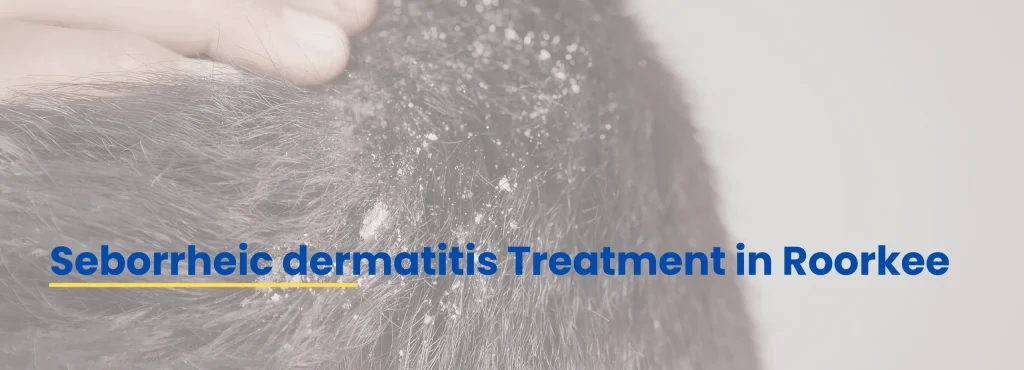
Have you ever noticed flaky skin on your scalp that looks like dandruff but doesn’t go away even after using different shampoos? Many people think it is just normal dandruff, but sometimes it can be a skin condition called seborrheic dermatitis. This problem can cause itching, redness, oily scales, and white or yellow flakes on the scalp, eyebrows, sides of the nose, or behind the ears. When this happens again and again, it may be time to look for Seborrheic Dermatitis Treatment in Roorkee from a qualified skin specialist.
Imagine someone who keeps changing shampoos every week because the flakes keep coming back. The itching becomes uncomfortable, and the scalp starts getting red and irritated. This is very common in people living in humid climates where sweat and oil build up on the skin. In such cases, proper Seborrheic Dermatitis Treatment in Roorkee can help control the symptoms and prevent the condition from getting worse.
Seborrheic dermatitis is not dangerous, but it can be frustrating if not treated correctly. With the right diagnosis, medications, and skincare routine, it can be managed effectively. Many patients visit experienced dermatologists for Seborrheic Dermatitis Treatment in Roorkee to get relief from itching, flaking, and scalp irritation.
What is Seborrheic Dermatitis?
Seborrheic dermatitis is a common skin condition that mainly affects areas where oil glands are active. These include the scalp, face, chest, and sometimes the back.
It often looks like severe dandruff, but it can also cause redness and greasy scales on the skin.
Common signs of seborrheic dermatitis
- Flaky scalp or dandruff
White or yellow flakes appear on the scalp and shoulders. - Red or irritated skin
The skin may become red and slightly swollen. - Greasy patches
Oily skin with scales may appear on the scalp or face. - Itching or burning sensation
Many people feel constant itching on the scalp.
These symptoms can sometimes be confused with other skin conditions like psoriasis. If you want to understand the difference, you can read this detailed comparison:
https://drtanveerfatima.com/scalp-psoriasis-vs-dermatitis-hair-specialist/
What Causes Seborrheic Dermatitis?
Seborrheic dermatitis can occur due to several factors. It is usually related to an overgrowth of yeast on the skin combined with excess oil production. Here are the main causes explained in detail:
1. Overactive Oil Glands
When the skin produces too much oil, it creates a perfect environment for yeast and bacteria to thrive. This excess oil can mix with dead skin cells, forming greasy, flaky patches on the scalp, face, or other oily areas. Overactive oil glands are more common in adults between 20–50 years. People with naturally oily skin often experience frequent flare-ups.
2. Yeast Called Malassezia
Malassezia is a natural yeast that lives on the skin, but sometimes it grows excessively and causes irritation. This overgrowth can trigger inflammation, redness, and scaling. It is often the main reason why seborrheic dermatitis appears in oily areas like the scalp, eyebrows, and sides of the nose. Controlling this yeast is a key part of professional treatment.
3. Stress and Fatigue
High levels of stress and lack of sleep can weaken the skin’s natural defenses, making it more sensitive to flare-ups. Stress can trigger hormonal changes that increase oil production, worsening seborrheic dermatitis. Many patients notice that outbreaks often occur during stressful periods or after illness.
4. Weather Conditions
Cold, dry weather often worsens seborrheic dermatitis because dry air reduces natural moisture on the scalp. On the other hand, humid and hot weather can increase sweating, leading to more yeast growth and itching. This is why patients sometimes experience flare-ups seasonally.
5. Weak Immune System
People with a weakened immune system due to conditions like diabetes, HIV, or other chronic illnesses are more prone to severe seborrheic dermatitis. A weak immune system struggles to keep yeast and bacteria under control, causing more persistent symptoms. In such cases, professional treatment is highly recommended.
Understanding these causes helps dermatologists decide the best seborrheic dermatitis treatment plan for each patient.
Which Weather Triggers Seborrheic Dermatitis the Most?
Cold and Dry Weather
- Flare-ups increase during winter: Cold air and low humidity reduce moisture in the skin and scalp, making the skin dry. This dryness triggers more itching, flaking, and irritation, which worsens seborrheic dermatitis.
- Weakened skin barrier: In dry weather, the natural protective layer of the skin becomes compromised. This makes it easier for yeast like Malassezia to irritate the skin, causing redness and stubborn patches.
Humid and Sweaty Weather
- Excess oil and sweat buildup: In hot and humid conditions, sweat and oil accumulate on the scalp and other oily areas. This provides the perfect environment for yeast overgrowth, which can worsen seborrheic dermatitis symptoms.
- Increased itching and discomfort: The combination of sweat, heat, and yeast leads to itching, redness, and greasy flakes. Many people notice flare-ups during summer or in tropical climates, making professional Seborrheic Dermatitis Treatment in Roorkee essential.
People living in warm or humid regions may experience flare-ups more frequently. That’s why many patients look for professional Seborrheic Dermatitis Treatment in Roorkee to manage their symptoms.
Who Is More Likely to Get Seborrheic Dermatitis?
Seborrheic dermatitis can affect people of all ages, but some groups are more likely to experience it because of higher oil production, hormonal changes, or sensitive skin.
Adults Between 20–50 Years
- People in this age group usually have more active oil glands, which can lead to excess oil on the scalp and skin.
- This oily environment allows yeast to grow more easily, which can trigger seborrheic dermatitis symptoms like flaking and itching.
Men
- Studies suggest that men may experience seborrheic dermatitis slightly more often than women.
- This may be due to hormonal factors and higher sebum (oil) production on the scalp and skin.
Babies
- Babies can develop a mild form of seborrheic dermatitis called cradle cap, which appears as flaky patches on the scalp.
- It usually occurs in the first few months of life and often clears up on its own with gentle care.
People With Oily Skin
- Individuals with oily skin are more prone to seborrheic dermatitis because excess oil supports the growth of yeast on the skin.
- This can lead to greasy scales, redness, and irritation on the scalp, face, or chest.
Knowing these risk factors helps doctors recommend the right skincare routine and treatment.
Symptoms You Should Not Ignore
Sometimes people ignore seborrheic dermatitis thinking it is just dandruff. But certain symptoms may indicate that you need medical treatment.
Persistent dandruff
- Flakes continue even after using anti-dandruff shampoos.
Red or inflamed skin
- The scalp or face may become red and irritated.
Yellow or greasy scales
- Oily patches may appear on the scalp or eyebrows.
Severe itching
- Constant itching can disturb daily activities.
If these symptoms continue for weeks, it is better to consult a dermatologist for proper diagnosis and treatment.
Home Remedies for Seborrheic Dermatitis
Some simple home remedies may help control mild symptoms. However, they may not cure the condition completely.
Coconut oil
- Coconut oil can help moisturize the scalp.
- It may reduce dryness and irritation.
Aloe vera
- Aloe vera has soothing properties.
- It may help reduce redness and itching.
Tea tree oil shampoo
- Tea tree oil has antifungal properties.
- It may help control scalp yeast growth.
These remedies can provide temporary relief, but professional treatment is often needed if the condition becomes severe.
Medical Treatment Options
Dermatologists use different treatments depending on the severity of the condition.
Medical Treatment Options
Dermatologists use different treatments depending on the severity of the condition. The goal of treatment is to reduce inflammation, control yeast growth, and manage symptoms like itching and flaking.
Medicated Shampoos
Medicated shampoos containing antifungal ingredients help reduce the yeast that causes seborrheic dermatitis. Regular use can control dandruff, itching, and scalp irritation. Dermatologists usually recommend using them several times a week for better results.
Antifungal Creams
Antifungal creams are applied directly to affected areas such as the face, scalp line, or chest. These creams help control fungal growth and reduce redness, scaling, and irritation. They are often prescribed for mild to moderate cases.
Steroid Lotions
Mild steroid lotions may be prescribed to reduce inflammation and itching during severe flare-ups. They help calm irritated skin quickly and improve redness. However, these medicines should be used only under a dermatologist’s guidance.
Lifestyle Advice
Dermatologists also provide lifestyle and skincare advice to manage seborrheic dermatitis. This may include using gentle skincare products, maintaining scalp hygiene, and managing stress levels. Following these recommendations helps prevent frequent flare-ups.
Why Choose Dr Tanveer Fatima for Seborrheic Dermatitis Treatment?
Choosing the right dermatologist can make a big difference in your treatment results.
Many patients trust Dr Tanveer Fatima, a well-known skin specialist who provides personalized care for various skin conditions including seborrheic dermatitis, acne, fungal infections, and hair problems.
At ACE Clinic Roorkee, patients receive detailed skin examinations and customized treatment plans based on their specific condition.
Reasons patients choose Dr Tanveer Fatima
- Accurate diagnosis
Proper evaluation helps identify the exact cause of the scalp problem. - Personalized treatment plans
Each patient receives treatment tailored to their skin type. - Modern dermatology care
Advanced treatment options help manage symptoms effectively. - Patient-focused approach
The clinic focuses on long-term skin health and prevention.
Many people seeking Seborrheic Dermatitis Treatment in Roorkee consult Dr Tanveer Fatima for professional advice and reliable care.
Tips to Prevent Seborrheic Dermatitis
Although the condition cannot always be completely prevented, some habits may reduce flare-ups.
Maintain scalp hygiene
- Wash your scalp regularly with a gentle shampoo.
- Avoid excessive oil buildup.
Manage stress
- Stress can trigger skin conditions.
- Relaxation techniques may help reduce flare-ups.
Use suitable skincare products
- Choose mild and dermatologist-recommended products.
Avoid harsh chemicals
- Strong hair products may irritate the scalp.
Following these simple steps can help keep your scalp healthier and reduce recurring
Frequently Asked Questions (FAQs)
1. What is the best treatment for seborrheic dermatitis?
The best treatment usually includes medicated shampoos, antifungal creams, and lifestyle changes recommended by a dermatologist.
2. Is seborrheic dermatitis contagious?
No, seborrheic dermatitis is not contagious. It cannot spread from one person to another.
3. Can seborrheic dermatitis be cured permanently?
There is no permanent cure, but the condition can be managed effectively with proper treatment and skincare.
4. Which doctor should I consult for seborrheic dermatitis?
A dermatologist or skin specialist is the best doctor to diagnose and treat seborrheic dermatitis.
5. Can dandruff turn into seborrheic dermatitis?
Dandruff is considered a mild form of seborrheic dermatitis. If symptoms worsen, medical treatment may be required.
Conclusion
Seborrheic dermatitis is a common skin condition that causes itching, redness, and flaky skin on the scalp and other oily areas of the body. Although it may look similar to dandruff, persistent symptoms should not be ignored. Understanding the causes, triggers, and treatment options can help manage the condition effectively.
If symptoms continue despite home remedies or regular shampoos, consulting a dermatologist is the best step. Professional Seborrheic Dermatitis Treatment in Roorkee can help control flare-ups and improve scalp health.
Experienced dermatologists like Dr Tanveer Fatima at ACE Clinic Roorkee provide personalized care and guidance to help patients manage seborrheic dermatitis and maintain healthy skin. With the right treatment and preventive care, it is possible to reduce symptoms and enjoy a comfortable, healthy scalp.
ACE Clinic
Address: ACE Skin and Hair Clinic, Dehradun Rd, near Vinay Vishal hospital, Nehru Nagar, Roorkee, Uttarakhand 247667
Phone No: +91-9548732883
Email: [email protected]
Timings: 10:00 AM TO 09:00 PM
Google Map Location Listing: https://maps.app.goo.gl/xC7d3epyAZRNRtRw5