
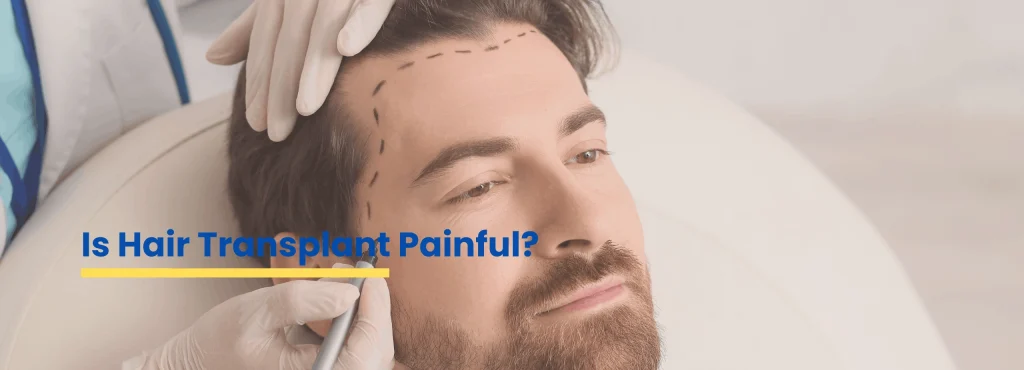
Is hair transplant painful?
This is usually the very first question people ask when they start thinking about hair restoration. For many, the idea of surgery immediately creates fear of pain, needles, and long recovery. Some people even postpone treatment for years simply because they imagine hair transplant surgery to be extremely uncomfortable.
In reality, modern hair transplant procedures are designed to be minimally painful, safe, and patient-friendly. With advanced techniques such as FUE (Follicular Unit Extraction) and proper anesthesia, most patients describe the experience as much easier than expected.
At ACE Clinic, under the expert care of Dr. Tanveer Fatima, hair transplant procedures are performed using advanced technology, strict sterilization standards, and patient-centric protocols to ensure maximum comfort and natural-looking results.
Let’s explore everything you need to know about pain during and after hair transplant surgery.
Why People Believe Hair Transplant Is Painful
Fear usually comes from outdated information or second-hand stories. Years ago, hair transplant techniques were more invasive, involved larger incisions, and required stitches. Naturally, discomfort levels were higher at that time.
Today, things are very different.
Common reasons people fear pain include:
Fear of injections
Anxiety about surgery.
Online myths and exaggerated videos
Lack of correct medical guidance
Modern dermatology focuses strongly on patient comfort, which has transformed the entire hair transplant experience.
Does Hair Transplant Surgery Cause Pain?
Hair transplant surgery is performed under local anesthesia, which completely numbs the scalp. This means you remain awake, but the treated area does not feel pain.
During anesthesia administration, you may feel a brief pinching or stinging sensation that lasts only a few seconds. After that, the scalp becomes numb and the procedure is essentially painless.
Most patients describe the experience as:
Mild pressure
Slight pulling sensation
No sharp pain
So, while the word “surgery” sounds intimidating, the actual experience is very tolerable.
Is FUE Hair Transplant Painful?
FUE (Follicular Unit Extraction) is currently the most popular hair transplant technique worldwide.
In FUE:
Individual hair follicles are extracted using micro-punch instruments
No stitches are required
Tiny extraction sites heal naturally
Because FUE involves minimal tissue trauma, discomfort is significantly reduced. Patients undergoing FUE usually report:
Mild discomfort during anesthesia
Comfortable procedure afterward
Minimal soreness after surgery
This is why FUE is considered a nearly painless hair transplant method.
Is FUT Hair Transplant More Painful Than FUE?
FUT (Follicular Unit Transplantation) involves removing a thin strip of scalp from the donor area. The area is then sutured.
Compared to FUE:
FUT may cause slightly more post-operative discomfort
Tightness in the donor area may be felt for a few days
However, FUT is still performed under local anesthesia, so pain during the procedure itself is controlled. Many clinics today, including ACE Clinic, prefer advanced FUE techniques because they offer less pain, faster recovery, and no linear scar.
What Does Hair Transplant Pain Actually Feel Like?
Most patients describe hair transplant sensations as:
A small pinch or sting during the anesthesia injection (lasting only a few seconds)
A feeling of light pressure or gentle pulling while grafts are being extracted and implanted
Mild soreness or tenderness in the donor and recipient area after the procedure
Many patients also say it feels more like slight discomfort than actual pain. On a pain scale of 1 to 10, most people rate it between 1–3, which is considered very low.
Some patients even relax, listen to music, or watch videos during the procedure.
Severe pain is not normal and rarely happens when the hair transplant is performed by a trained and experienced dermatologist using modern techniques and proper anesthesia.
With the right medical care, most patients are pleasantly surprised by how comfortable the entire process feels.
Pain After Hair Transplant: What Is Normal?
After the procedure, some temporary symptoms are expected:
Mild soreness in donor area
Tight feeling on scalp
Slight swelling around forehead
Tenderness when touching scalp
These symptoms are part of the healing process and usually improve quickly.
How Long Does Pain Last After Hair Transplant?
Pain after a hair transplant is usually mild and temporary. The level and duration of discomfort depend on individual pain tolerance, the technique used (FUE or FUT), and how well post-procedure instructions are followed. For most patients, recovery is smooth and predictable.
Day 1 (First 24 Hours):
You may feel mild soreness, tightness, or tenderness in the donor and recipient areas. Some patients describe this as a slight burning or aching sensation. This is normal and happens because the scalp has undergone minor surgical work. Prescribed pain-relief medication easily controls this discomfort.
Day 2–3:
By the second and third day, discomfort usually reduces significantly. Swelling, if present, starts to go down. The scalp may still feel sensitive to touch, but pain is much less compared to the first day. Many patients at this stage feel comfortable enough to return
to desk work.
Day 4–5:
Most soreness and tightness continue to improve. Small scabs may be present, and mild itching can start, which is a sign of healing. Itching should not be confused with pain and should not be scratched.
Day 5–7:
By the end of the first week, the majority of patients experience little to no pain. The scalp starts feeling normal again, and daily activities can be resumed comfortably.
After One Week:
Any remaining tenderness is minimal and usually unnoticeable. At this stage, patients typically no longer need pain medication.
Overall, hair transplant discomfort is short-lived and manageable. With proper aftercare and guidance from your dermatologist, most patients recover comfortably and are surprised by how easy the healing process feels.
How Pain Is Managed During and After Hair Transplant
At ACE Clinic, Dr. Tanveer Fatima follows a multi-step comfort protocol:
Adequate local anesthesia
Gentle surgical technique
Sterile environment
Prescribed pain-relief medication
Detailed aftercare guidance
This comprehensive approach ensures patients remain comfortable throughout their journey.
Tips to Reduce Discomfort After Hair Transplant
You can further minimize discomfort by:
Sleeping with head elevated
Avoiding touching grafts
Taking medications as prescribed
Avoiding heavy exercise
Staying hydrated
Following these simple steps helps speed healing.
When to Worry About Pain After Hair Transplant
While mild discomfort, tightness, and swelling are normal after a hair transplant, certain symptoms may indicate a complication and should not be ignored. Understanding these signs helps you seek timely medical care and prevent problems.
Increasing Pain
Some soreness is expected in the first few days, but pain should gradually decrease, not worsen.
You should be concerned if:
Pain becomes stronger instead of improving
Pain is not relieved by prescribed medication
Pain is sharp, throbbing, or constant
Increasing pain may suggest infection, inflammation, or excessive pressure in the treated area. If this happens, contact your dermatologist promptly for evaluation.
Fever
A mild rise in body temperature immediately after a procedure can occur, but a persistent fever is not normal.
Watch for:
Fever above 100°F (38°C)
Fever lasting more than 24 hours
Fever associated with chills or body aches
This may indicate that the body is fighting an infection and requires medical attention.
Pus or Discharge
Clear fluid or light blood spotting during the first day can be normal. However, yellow, green, or foul-smelling discharge is not.
Signs of concern include:
Thick pus coming from graft sites
Bad odor from scalp
Redness spreading around the area
These are classic signs of infection and must be treated quickly to protect graft survival.
Severe Swelling
Mild swelling on the forehead or around the eyes during the first few days is common. But severe or worsening swelling is not.
Be cautious if:
Swelling increases after day three
Swelling is painful or hard
Swelling spreads to face or neck
Severe swelling may indicate inflammation or fluid accumulation and should be assessed by your dermatologist.
Is Hair Transplant Painful for Everyone?
Pain Tolerance and Individual Experience
Pain tolerance varies greatly from person to person. Some individuals naturally have a higher sensitivity to pain, while others can undergo procedures with very little discomfort. This difference is completely normal and does not reflect how successful or difficult the hair transplant procedure is.
Another important factor is anxiety and mental state. When a person feels nervous, stressed, or fearful before a procedure, the body releases stress hormones that can make sensations feel stronger. This means anxiety can amplify the perception of pain, even if the actual physical discomfort is minimal.
On the other hand, patients who are well-informed about the procedure and feel confident in their doctor usually report a much calmer and more comfortable experience.
What Most Patients Actually Feel
In reality, the vast majority of patients say that a hair transplant is far easier than they imagined.
Here’s what most people typically experience:
Mild pinching sensation during local anesthesia
Light pressure or vibration during graft extraction and implantation
Temporary tightness in donor or recipient areas
These sensations are usually well tolerated and do not qualify as severe pain.
Thanks to modern techniques like advanced FUE (Follicular Unit Extraction) and improved anesthesia methods, discomfort during the procedure is minimal and well controlled.
Why Modern Hair Transplants Are More Comfortable
Choosing a qualified hair specialist in Roorkee ensures the use of advanced techniques, proper anesthesia, and gentle handling of grafts for a comfortable experience.
Today’s hair transplant procedures are very different from older surgical methods. Clinics now use:
Ultra-fine instruments
Precise local anesthesia
Gentle extraction and implantation techniques
Continuous patient monitoring
All of this ensures that the procedure remains safe, controlled, and comfortable throughout the session.
Emotional Comfort Matters Too
When patients feel supported, listened to, and guided by an experienced dermatologist, their overall experience improves significantly. A calm environment and clear explanation of each step reduces fear and increases comfort.
This is why choosing a qualified and experienced dermatologist plays a major role not only in results, but also in how comfortable the entire journey feels.
Why Choosing the Right Clinic Matters
The skill and experience of the doctor greatly influence comfort and results.
At ACE Clinic, hair transplant procedures are performed by Dr. Tanveer Fatima, a qualified dermatologist with extensive experience in hair restoration. The clinic stands out from many other clinics because:
Procedures are doctor-led, not technician-driven
Advanced FUE and bio-stimulated techniques are used
Strict safety and hygiene protocols are followed
Personalized treatment plans are created
This patient-focused approach leads to natural results with minimal discomfort.
Is Hair Transplant Safe?
Yes. Hair transplant is considered a safe and established medical procedure when performed by trained dermatologists using proper equipment.
Complications are rare and usually minor.
Does PRP After Hair Transplant Hurt?
PRP therapy involves small injections into the scalp. Patients may feel mild pricking sensation, but it is well tolerated. PRP also helps improve healing and hair growth.
Can Hair Transplant Be Done without Shaving?
In selected cases, partial or no-shave FUE can be performed. Your dermatologist will advise based on hair type and bald area.
FAQs
Is hair transplant painful for women?
No. Women experience similar comfort levels as men.
Will I need strong painkillers?
No. Mild painkillers are usually sufficient.
Can I return to work quickly?
Most patients return to desk work within 1–2 days.
Is hair transplant permanent?
Yes. Transplanted hairs are typically permanent.
How soon will I see results?
Initial growth starts around 3–4 months. Full results appear in 9–12 months.
Conclusion
Is hair transplant painful?
With modern techniques like FUE, proper anesthesia, and expert care, hair transplant surgery is not painful for most patients. Any discomfort is mild, temporary, and manageable.
If you are considering hair restoration, consulting an experienced dermatologist such as Dr. Tanveer Fatima at ACE Clinic can help you achieve natural results with maximum comfort and safety.
Taking the first step toward hair restoration does not have to be frightening. With the right clinic and the right doctor, the journey can be smooth, safe, and rewarding.
ACE Clinic
Address: Aim fitness gym, Ace clinic, Dehradun Rd, near Vinay Vishal hospital, Nehru Nagar, Roorkee, Uttarakhand 247667
Phone No: +91-9548732883
Email: [email protected]
Timings: 10:00 AM TO 09:00 PM
Google Map Location Listing: https://maps.app.goo.gl/xC7d3epyAZRNRtRw5